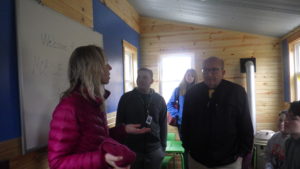
 On Friday, February 23 2018, ten students and two teachers from Seton La Salle High School were invited to speak with the faculty and staff at the St. Francis University Institute for Energy Research. This visit was planned in conjunction with a fellowship project that the students are hard at work on, writing a children’s book on wind energy (The Boy, The Bird, and the Wind Turbine – coming in May!)
Upon arrival the students were met by Project Coordinator Michael Sells, and given a tour of the new state of the art science building on campus. This tour included a stop at a tropical fish tank large enough to scuba dive in, as well a lab containing 3d printers, and a look into some of the student lounges which are designed to facilitate the sharing of ideas among peers in the various departments.
After getting to see some of the sights inside, the students met up with the Institute Director, Allison Rohrs, who took them outside the see the tiny house, a small energy efficient structure, that is used to educate people across the whole state about the great ways that sustainable and renewable energy can make a very real impact on their lives.
After the tiny house, the students were brought inside for an incredible lunch and a presentation on wind energy in Pennsylvania. A presentation that included how wind turbines work, how a company maintains them, and how to determine where to place them to begin with.
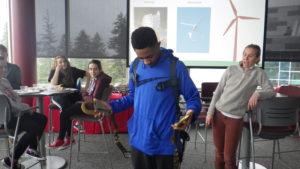 This information proved very valuable to the students, who had been given a very real connection to the material they were writing about. Tyler Hill, after trying on the harness used to climb some of the smaller (150 foot) turbines said, “My favorite place was the university because I learned more about how turbines work, how gears move and how the windmill turns to face the direction of the wind.” Another classmate Carrie Martson stated, “I wish we had more time there.” While Joshua Mellor shared, “Saint Francis was the place for me because I could listen to the presentation and now I know a little more about how windmills work.”
Not only students had glowing things to say. Developmental English teacher Emily Rosati added “I really enjoyed the entire day! I thought from start to finish my students learned so much and can now feel more anchored to the content that we are writing about. I loved Saint Francis and felt it was the perfect combination of information, entertainment, engagement, and macaroni and cheese! The kids loved that stop and I was pleasantly surprised with how much they knew!!”
She went on to describe the engagement and animation of several students who aren’t easily engaged. The visit generated new layers of critical thought as they tried to integrate what they learned that conflicted with some of the details of their book. It brought a new energy to a project that takes the whole school year to complete.
Again, a special thanks to Allison Rohrs and Michael Sell, as well as the rest of the staff and faculty of St. Francis University. It was truly a special day.
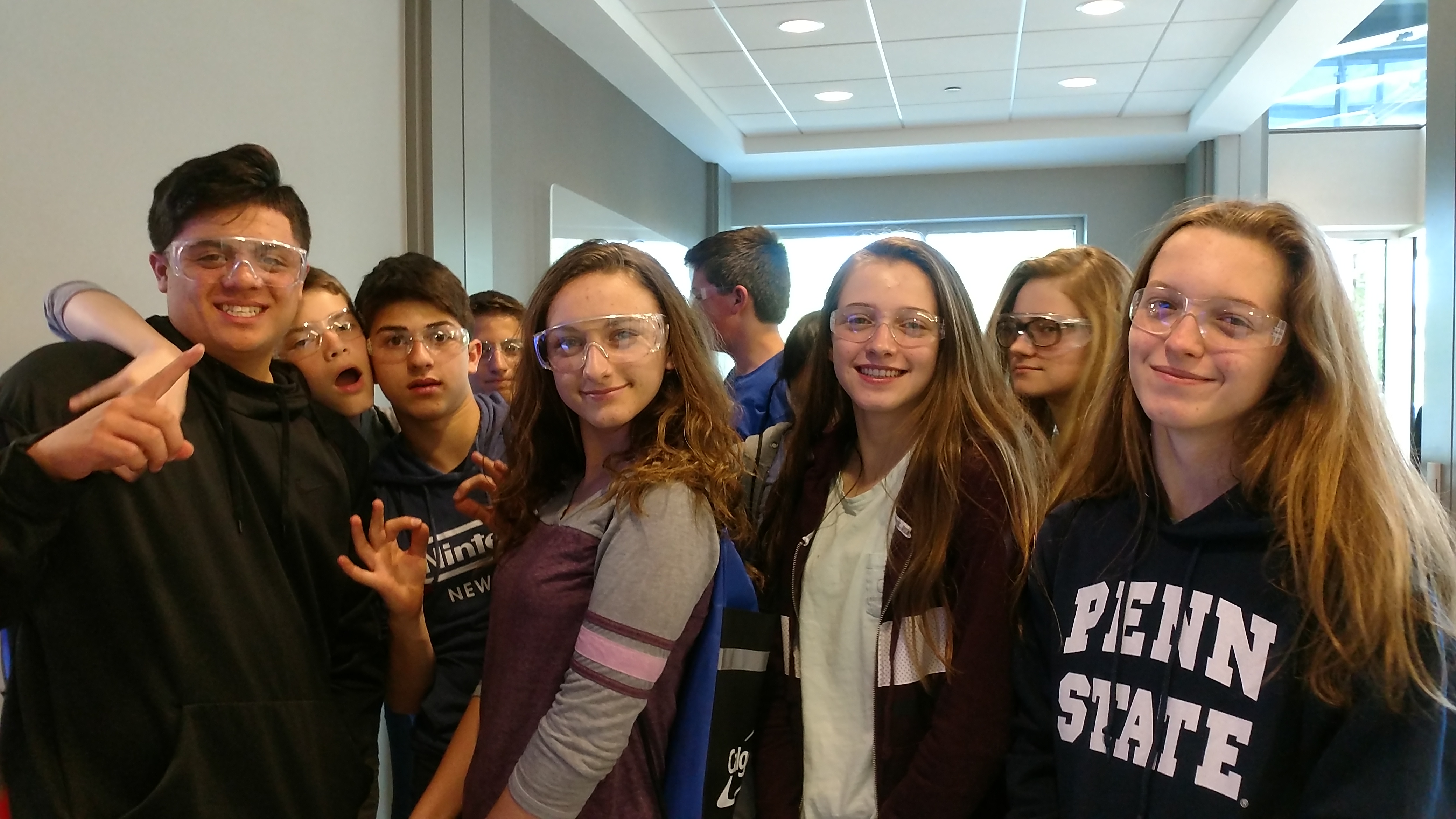
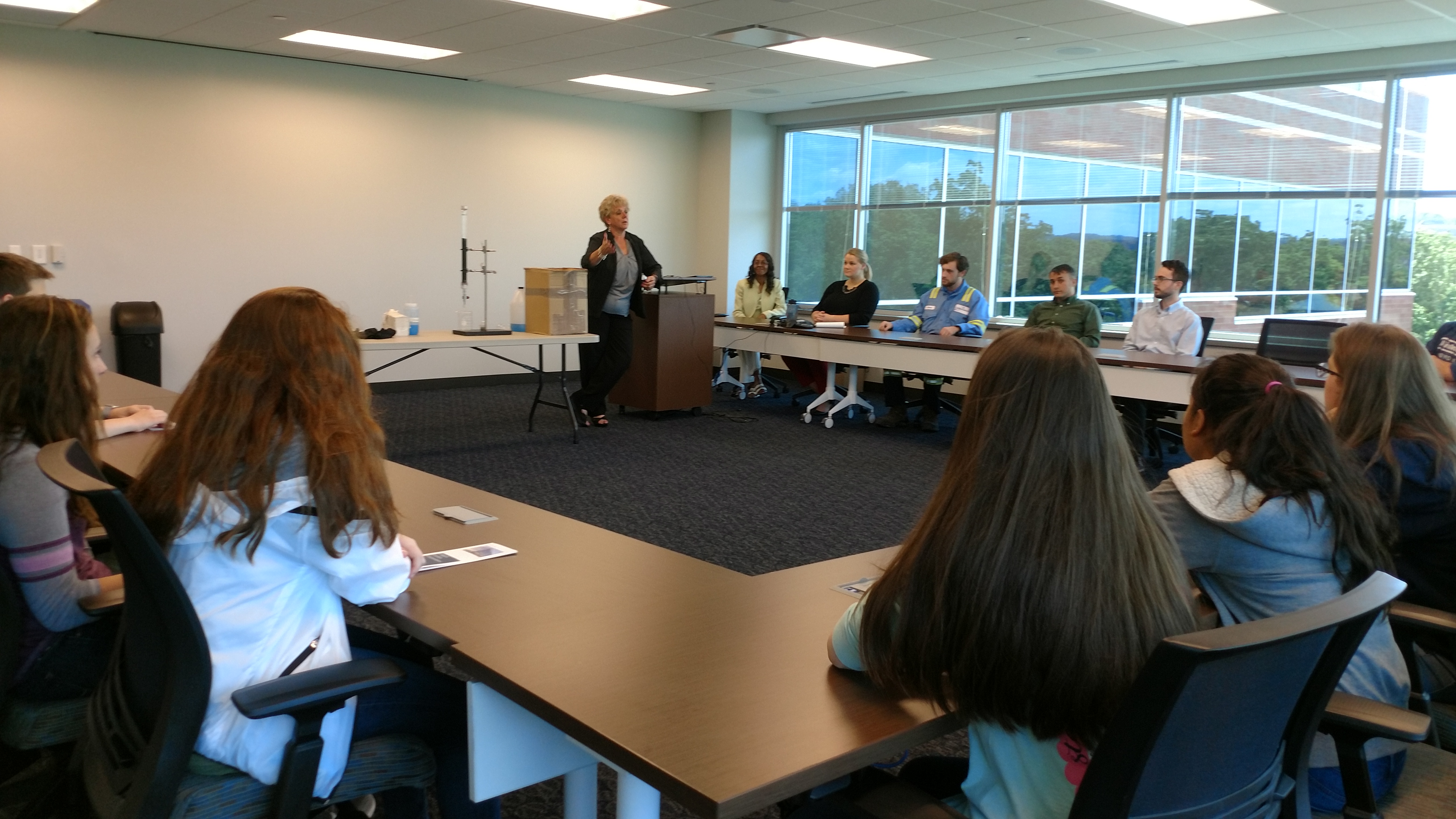
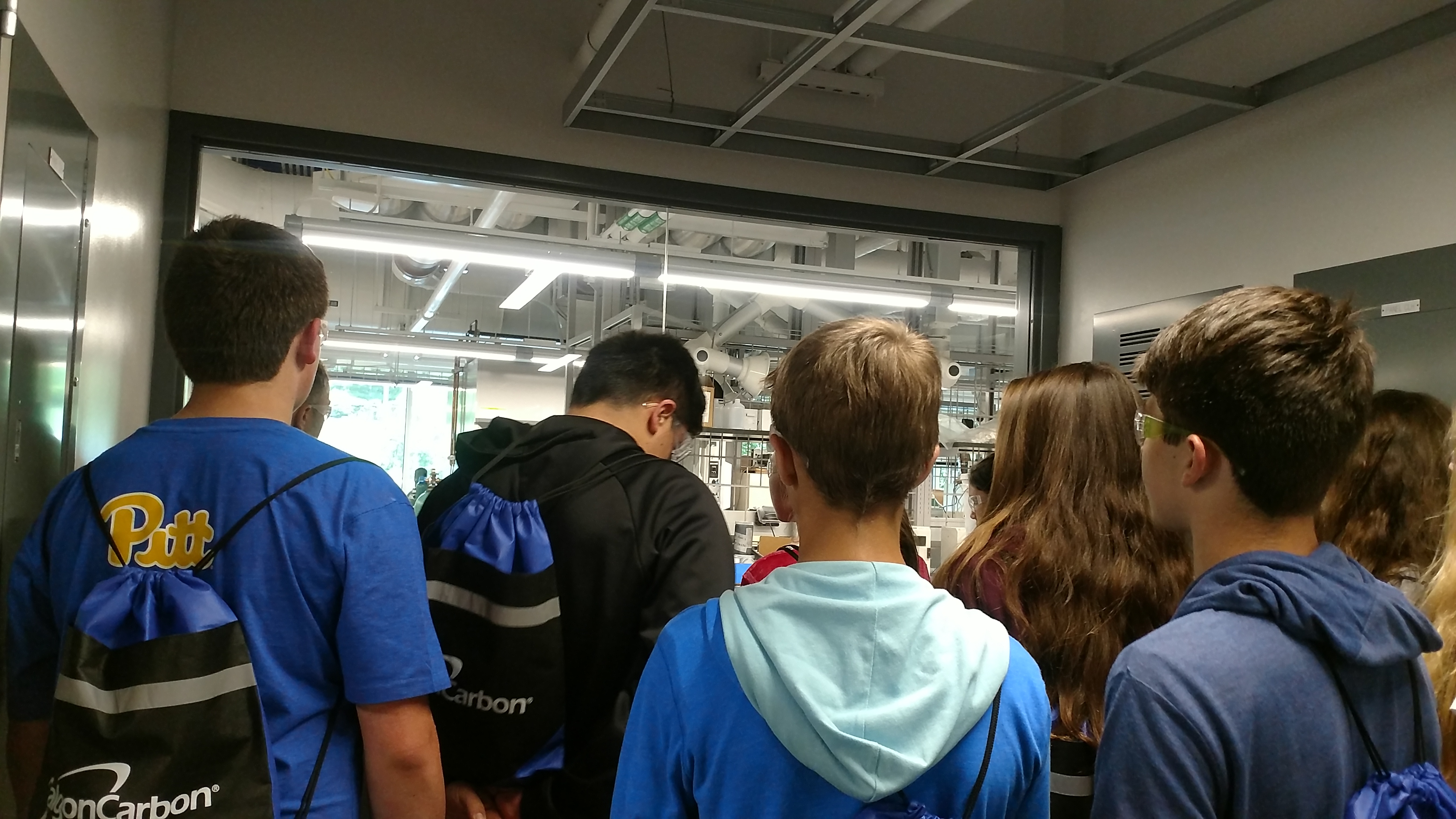
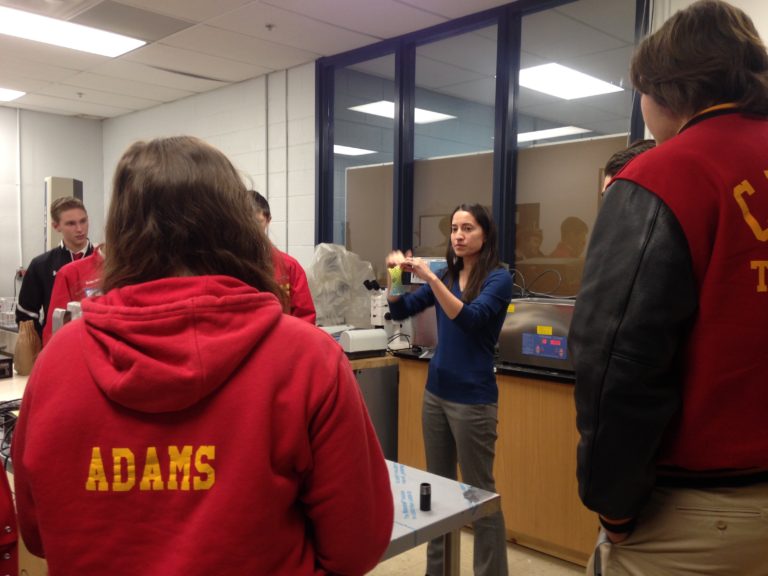 One of the most rewarding challenges for a classroom teacher is to use curriculum as a means to connect students to their desired end, to stimulate their thinking and illuminate possible career paths. Facilitated by STEM Career Tours, students enrolled in the Introduction to Computer-Aided Design and Drafting course at Cardinal Wuerl North Catholic High School were able to see how their newly acquired skills are put to work in Greater Pittsburgh. This blog will highlight student experiences on the second stop of the STEM tour, Robert Morris University’s Department of Engineering.
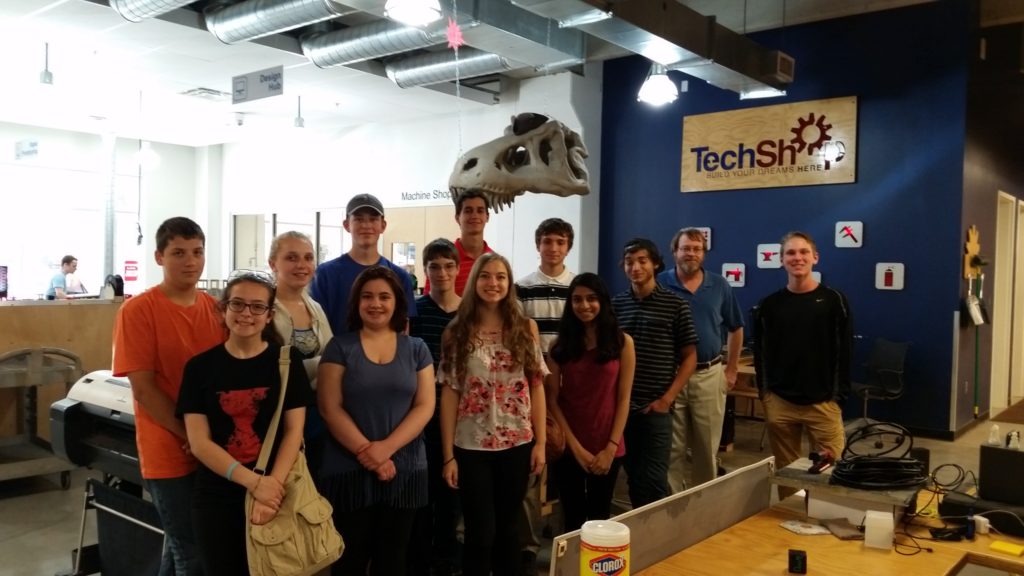 One of the last stops on our June 2016 CWNC STEM Careers Tour was TechShop Pittsburgh located in Bakery Square in Pittsburgh’s East End.
  Our guide, Justin Harvilla, began as a member at TechShop Pittsburgh, joining to have a place to do sculpting. After being a member, he joined the staff. He provided us with a great tour of the facility, giving us an overview of all the equipment available at the facility. After touring, we were treated to a demonstration of the laser cutter. The laser cutter enables carving and whittling of cardboard, glass, wood and other materials with amazing accuracy. Laser cutting directs a high-power laser through optics. The focused laser beam is directed at the material, which then melts or burns the material, leaving an edge with a high-quality surface finish. As opposed to being controlled manually by hand wheels or levers, the laser is guided by precise programmed commands.
 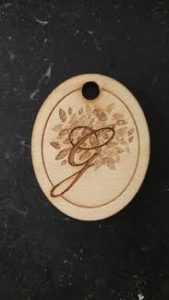 Advantages of laser cutting over mechanical cutting include an easier ability to secure the material as it is being machined and a reduction in contamination of the material. Additionally precision may be better, since the laser does not wear during the process. As a souvenir of our visit, our guide presented us with laser cutting the the ‘Grow a Generation’ tree. So cool!
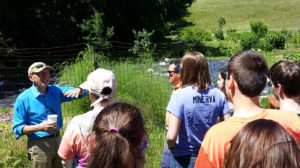 On our last day of the 2016 CWNC STEM Careers Tour, we went to the Falk School of Sustainability. The Falk School of Sustainability was founded in 2010 at Chatham University’s Eden Hall Campus. It was inspired by the work of Rachel Carson, famed author and environmentalist (and 1929 Chatham University alumni), who advocated sustainability and the importance of environmental protection.
 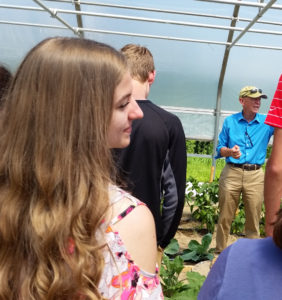 Our tour was led by Dr. Peter Walker, the Dean at the Falk School. Our first stop was the experimental garden, where students plant different flora and add/adjust variables related to the growth to test their hypotheses. For example, some students developed a “high-rise apartment” for wild bees made out of cardboard and supplemented with other necessities to attract bees to stay and pollinate the garden consistently. Another student was testing the effectiveness of solar energy on a black tarp as a weedkiller.
 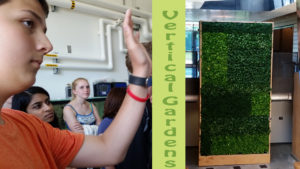 After the garden, we went across the street to the eco amphitheatre and dairy barn turned cafe. The cafe, we learned, is heated by a geothermal loop, which stores the hot and cold air from the different seasons and uses them to heat or chill the cafe based on the temperature.
  Some of this water goes to their Aquaculture Center, where they use more natural filters to create ideal environments for their fish. They also filter the water that is tainted with ammonia through the nitrogen cycle on site.
 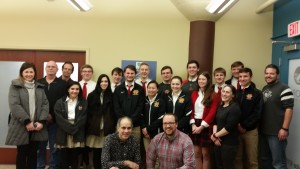 Biology students from Cardinal Wuerl North Catholic High School embarked on a STEM Careers Tour!
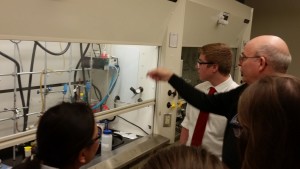 Students then toured the organic chemistry lab at Knopp Biosciences, where their chemists are working to develop organic molecules designed to hit specific biological targets. Once the compounds are developed, they are tested by the biologists to determine if they are causing the desired response in the cell line. The biologist communicates her findings back to the chemist, so she can alter the molecule in an effort to get the desired response in the cells. Once a compound shows the desired result in the lab, it is shipped out for further testing on lab animals to see not only if the desired result is still achieved but also, what other responses the drug may cause in the animal. Biologists at Knopp Biosciences are also studying how a small molecule they developed reduces a variety of white blood cells and assists in the treatment of asthma.
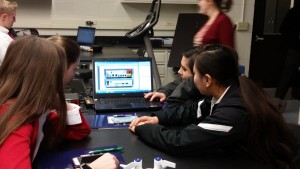 The next stop on the tour was the Department of Biological Sciences at Duquesne University. The department has 16 faculty members focused on teaching and research. We ate our brown bag lunches while listening to a student panel of graduate and undergraduate biology students talk about their experience transitioning to college, why they chose to major in biology, and why they decided to continue with a graduate degree. They advised students to master time management, join extra-curricular activities on campus, and develop a rapport with your professors. After the student panel, several professors spoke to us about their research. Unique to the Department of Biological Sciences at Duquesne University, we learned about the SuperLab course, where students get hands-on laboratory experience by identifying a mystery micro-organism one semester and confirming their result via DNA testing a second semester.
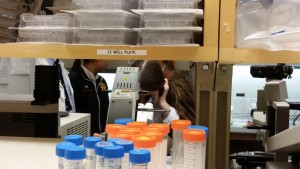 For our last stop of the STEM Careers Tour, Cardinal Wuerl North Catholic students visited The Hillman Cancer Center where they toured the labs of Dr. Lisa Butterfield. The labs study the interaction between the immune system and cancer. Dr. Butterfield recommended that students who have an interest in research to get experience in different labs and with different areas of research to understand what they like to do. She said that she is constantly reviewed and critiqued, but that it makes her better at what she does. The next tour at the Hillman Cancer Center was the labs of Dr. Timothy Burns that study the development of targeted therapies for treating lung cancer. Dr. Burns has both his PhD. And MD., which he says enables him to treat the patients that are in his clinical studies. Students were encouraged to apply to the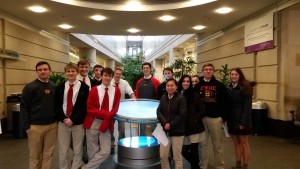


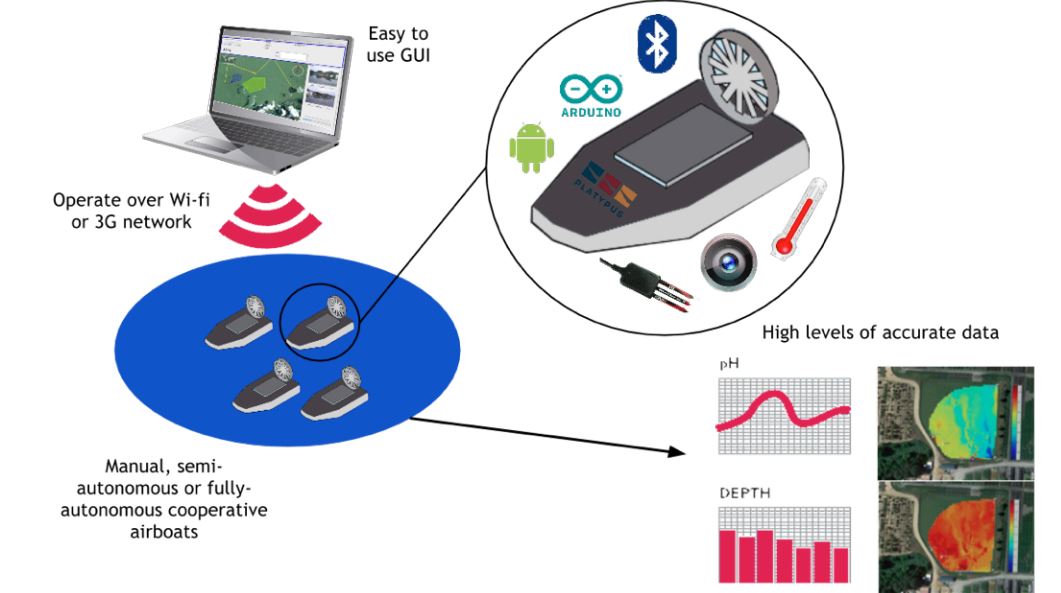
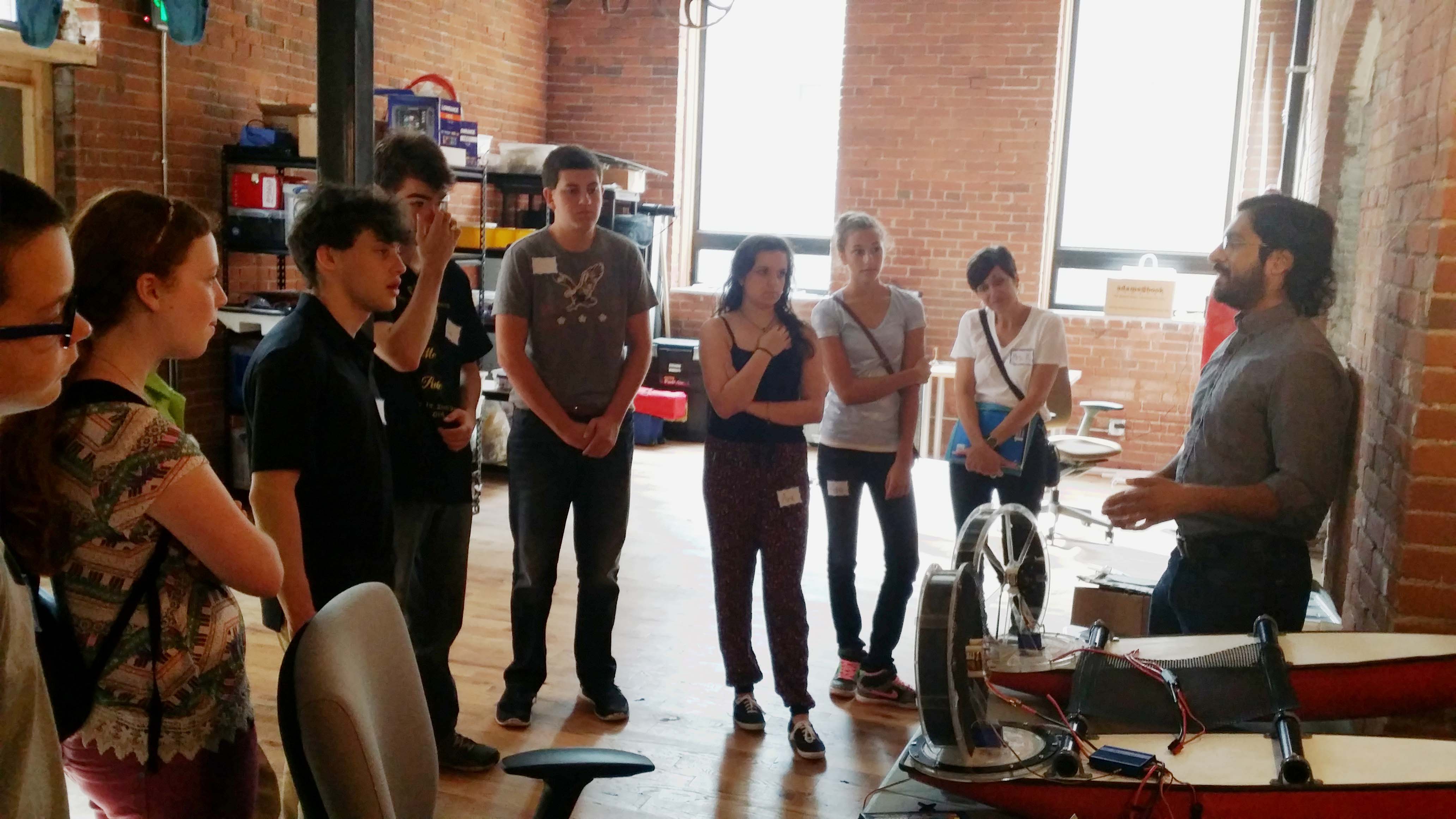
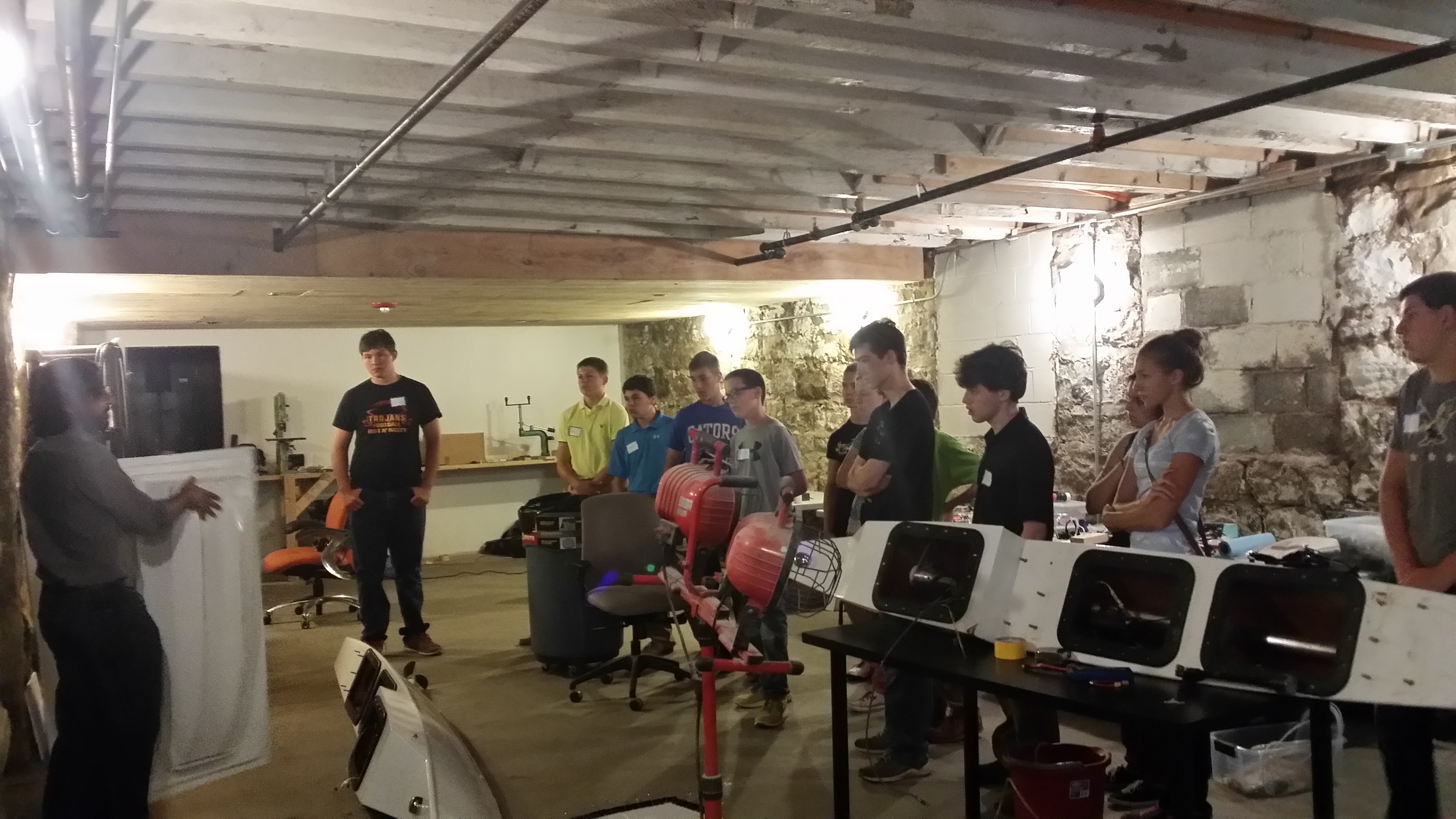
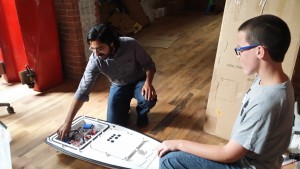 He started by explaining how Platypus used a combination of marine, electrical, and software engineering to make their autonomous robotic boats. Marine engineering shaped the hull and kept the boat buoyant. We had an opportunity to examine some of their recent designs created in house with vacuumed formed ABS plastic to form a four foot by two foot floating machine that has a fan on the top. The boat is only 8 inches deep deliberately built to make little environmental impact. The fan can be turned by the motor and controls the direction and propulsion. The design can be made larger or smaller and replicated to allow many robotic boats to work together collecting data.